 Portraitwise
AI photography insights2 min readSee the latest articles
How an AI portrait generator actually works
Diffusion, reference conditioning, likeness and limits: what really happens between the selfies you send and the portrait you receive, explained without jargon.
 Written byLa rédaction
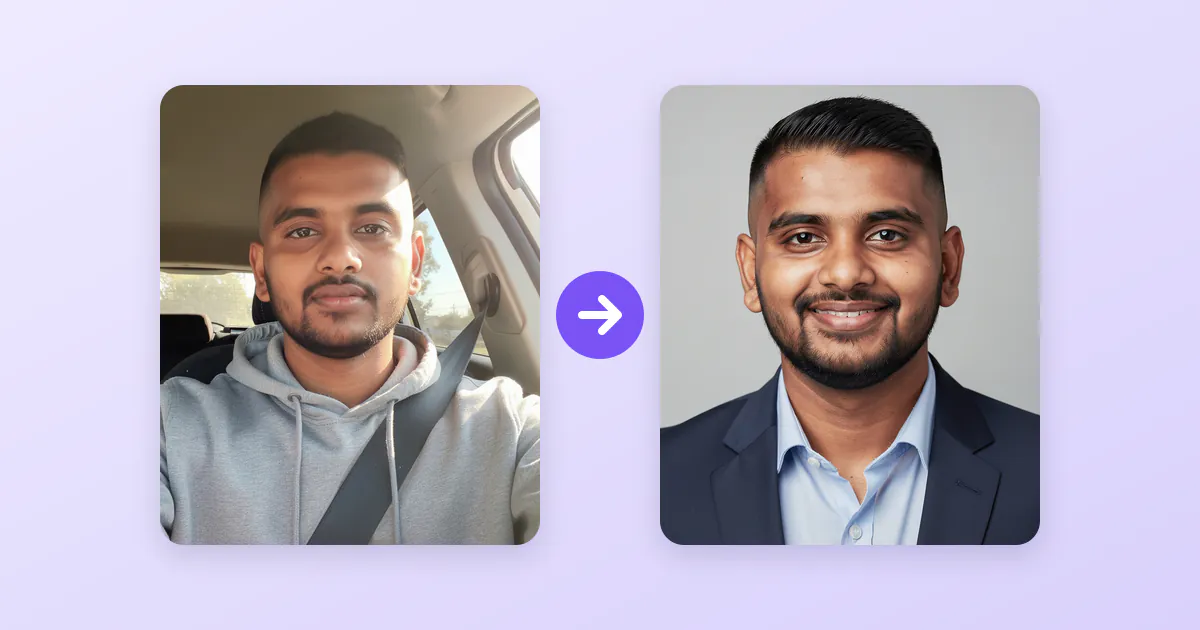
This article belongs to the section AI photography insights
From text to image: what a diffusion model does
A diffusion model learns one thing: how to remove noise from an image. At generation time the process runs backwards, starting from pure noise and denoising step by step, guided by your prompt. Nothing is collaged and nothing is retrieved from a stock library: every pixel is computed, which is also why the same prompt with a different random seed yields a different image.
Why your selfies are necessary
A text prompt describes a genre, not a person. To obtain your face, the model needs information no word carries: the geometry of your features. That is the role of reference images, transmitted alongside the prompt and used as a constraint. This mechanism — reference conditioning — steers the model at each generation without modifying it.
Three approaches, three trade-offs
| Approach | What it does | Cost | Main limit |
|---|---|---|---|
| Full fine-tuning | Retrains part of the model weights on your photos | High | One model per person, heavy to store and delete |
| LoRA | Trains a small module grafted onto the model | Moderate | A persistent artefact encoding your face |
| Multiple references | Supplies your photos at each generation | Low | Likeness depends entirely on reference quality |
We chose the third. The reason is as legal as it is technical: no durable artefact encodes your face, so once your source photos are deleted nothing remains that could regenerate you.
What determines likeness
Three factors, in order: the diversity of your references — several angles, several lightings, one person; sharpness, because a model cannot restore a detail it never saw; and the absence of occlusion, since sunglasses, caps or beauty filters alter the very geometry it needs.
What models still get wrong
Hands remain the most visible flaw, which is why professional portraits are framed at the bust. Glasses are next: temples melt into the temples of the head and reflections follow no coherent physics. Then come text on badges or walls, thin jewellery, and very fine repeating patterns such as tight stripes.
Cost, lead time and footprint
Analysis
Every uploaded photo is measured for sharpness, luminance, face presence and dimensions. Unusable files are set aside before any generation.
Planning
The number of portraits in your plan is spread across the chosen styles, with a distinct seed per image.
Generation
Each image is produced independently, with the same references and a style-specific prompt.
Post-processing
Upscaling to 3,840 pixels, light sharpening, preview and thumbnail versions.
Delivery
The batch is made available in your account, and you are notified when it is ready.
What can be fixed afterwards
Framing, background, color and localised defects on clothing or accessories retouch cleanly. A missed likeness does not: it is corrected upstream, by sending better references and regenerating the batch. The best-invested time is therefore in selecting the photos you send, not in choosing styles.
See what the method gives on your own face
Discover the plansWritten by
La rédaction
Editorial team
Articles are written by the team that builds Portraitwise. They cover framing, light, tools and image rights.
Read next
Reference page: AI headshots
Frequently asked questions
Are my photos used to train a model?
- No. They are passed as references at generation time, then deleted at the end of the stated retention period. No module trained on your face is produced or kept.
Why do two generations never produce the same image?
- Because the starting point is random noise set by a seed. With an identical seed and identical references the result is reproducible; otherwise it varies.
Why limit the number of references?
- Beyond six, added information becomes redundant and the model starts averaging features, which weakens likeness instead of strengthening it.
Your professional portrait, made from your own photos
Send at least 8 pictures of yourself, pick your styles, get a batch of 4K portraits ready to publish.
In the same section
All articles in this section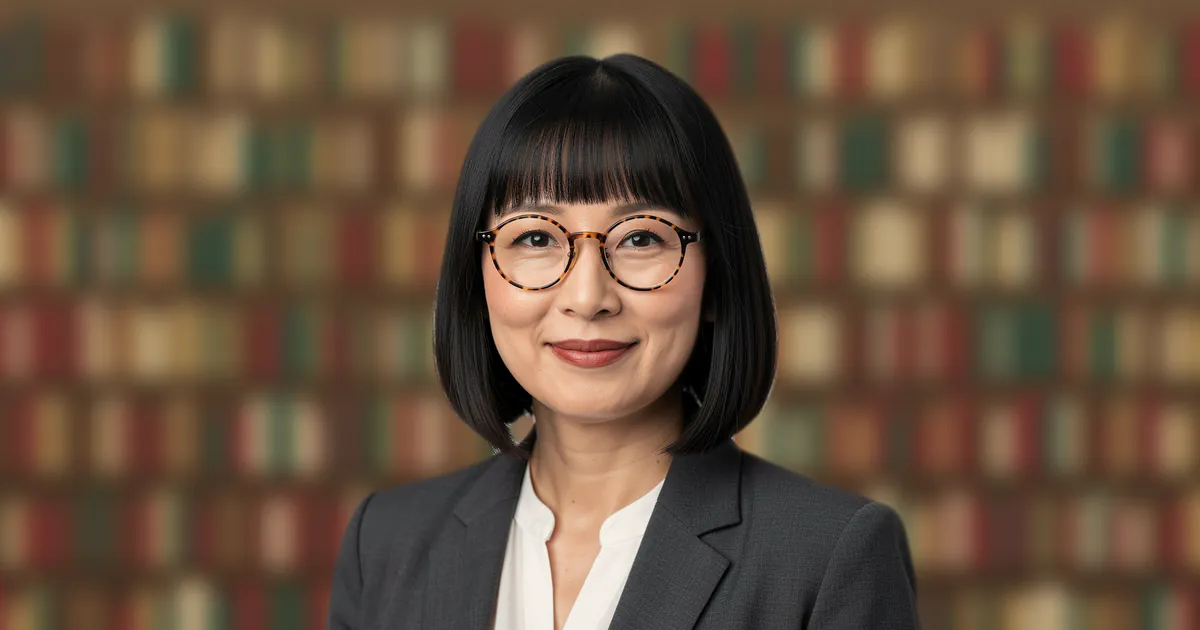
Who owns AI-generated images?
Copyright, originality, image rights, licenses and model training: the legal bearings worth knowing before publishing a generated portrait of yourself.
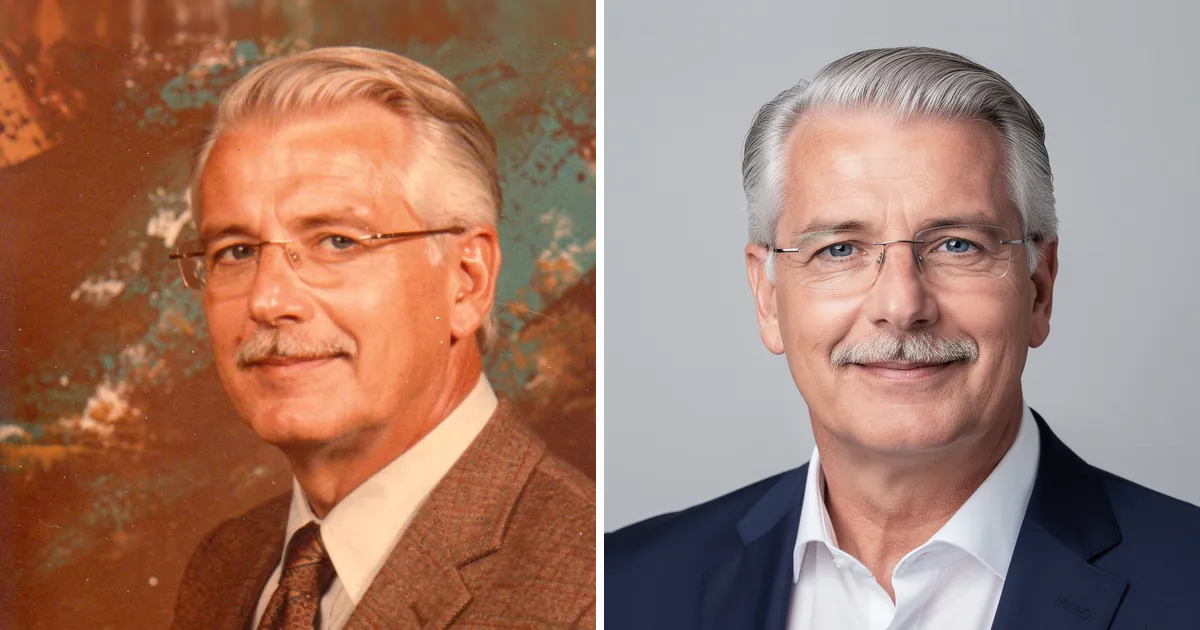
AI portrait or photo session: an honest comparison
Real cost, lead time, number of variants, naturalness: what each option does better than the other, plus a decision table by budget and deadline.
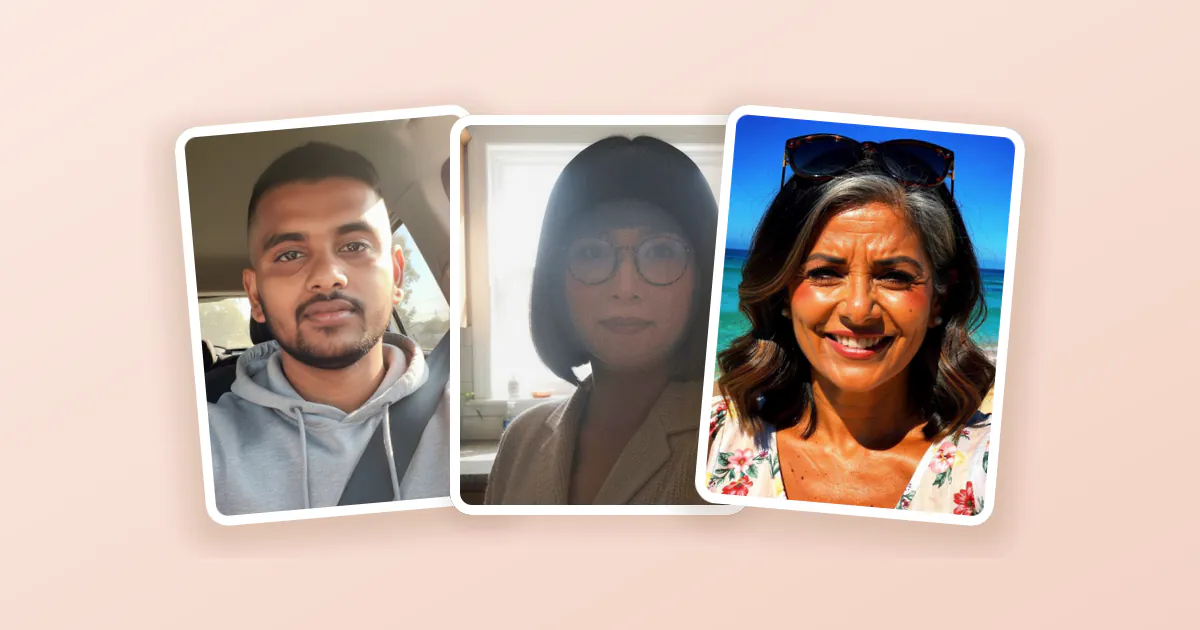
Which selfies to send for portraits that look like you
How many photos, which mix of shots, which variations and which pitfalls to avoid: preparing a solid set of reference pictures in fifteen minutes flat.